Patient Resources
PRP injections
Patient-level information about platelet-rich plasma (PRP) therapy for common musculoskeletal conditions.
Credentials and training
Board certified
Orthopedic surgery
Fellowship trained
Sports medicine & shoulder, Rush University Medical Center
Residency
Orthopedic surgery, McMaster University
Professional teams
Chicago Bulls, White Sox and Fire experience
Research
Over 100 peer-reviewed publications
More about Dr. HornerResearch and academic workPatient reviews
What is PRP?
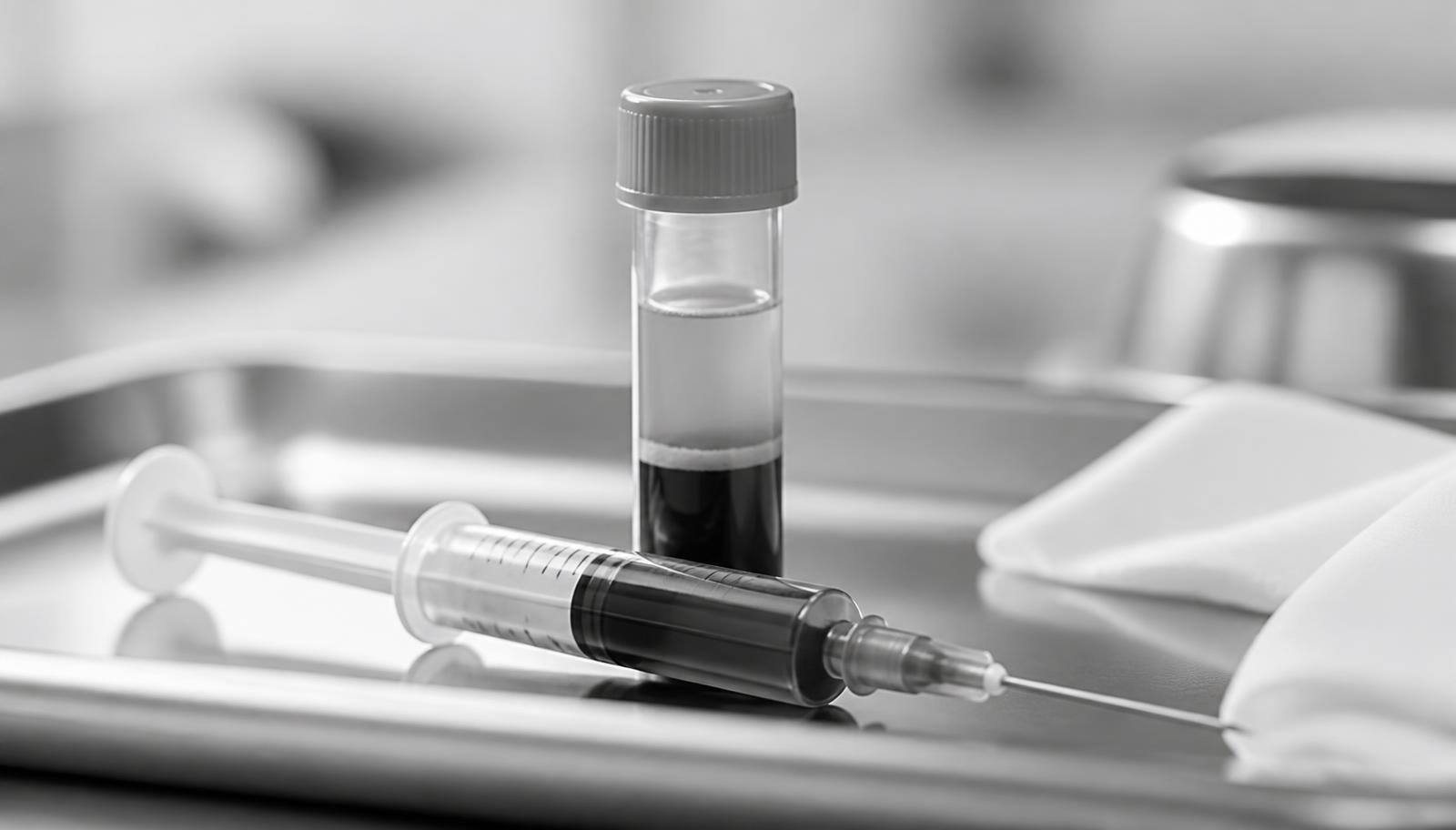
Platelet-rich plasma, or PRP, is a concentrated portion of your own blood that contains a high level of platelets. Platelets are rich in growth factors and signaling proteins that help the body respond to injury. When precisely injected into a damaged area, PRP may support the body's natural healing process for certain tendon, ligament and joint conditions.
Because PRP is prepared from your own blood, it is considered an autologous treatment. It is often used alongside activity modification, physical therapy and other conservative measures.
How it works
- 01
Blood draw
A small amount of blood is drawn from your arm, similar to a routine lab test.
- 02
Concentration
The blood is placed in a centrifuge, which spins it to separate and concentrate the platelets.
- 03
Precise injection
The concentrated PRP is injected into the affected area under sterile technique, often with ultrasound guidance.
- 04
Recovery and follow-up
Most patients return to light activity quickly. A structured rehab plan helps optimize results.
Conditions PRP may be used for
PRP is not appropriate for every patient or every condition. After a full evaluation, we can discuss whether it is a reasonable option for your specific problem.
- Tennis elbow (lateral epicondylitis)
- Golfer's elbow (medial epicondylitis)
- Rotator cuff tendinopathy
- Patellar tendinopathy
- Achilles tendinopathy
- Plantar fasciitis
- Hip/gluteal tendinopathy
- Hamstring tendon injuries
- Knee osteoarthritis
- Hip osteoarthritis
- Shoulder osteoarthritis
- Other chronic tendon or ligament irritations
Pricing
$400
Per PRP injection
PRP injections are not currently covered by insurance plans, which is why they are offered at a self-pay price. Payment is due at the time of the procedure. If additional imaging, follow-up visits or physical therapy are recommended, those are billed separately according to your insurance and standard office policies.
What to expect
The visit typically takes 30 to 45 minutes. You may feel some soreness or pressure at the injection site for a few days afterward, which is a normal part of the inflammatory healing response. Ice, rest and activity modification are usually recommended for a short period after the injection.
Some patients notice improvement within a few weeks, while others require more time. Depending on the condition, a second injection may be discussed at a follow-up visit. Results vary, and PRP is not a guaranteed alternative to surgery when surgery is clearly indicated.
If you are on blood thinners, have an active infection, or have certain medical conditions, PRP may not be appropriate. We will review your full medical history before scheduling.
Related care
- Knee careArthritis, meniscus and ligament injuries
- Shoulder careRotator cuff, instability and arthritis
- Sports medicineTendon and overuse injuries in active patients
- Hip careTendon, labral and joint conditions
- Non-surgical treatment optionsInjections, therapy and activity modification
- Patient reviewsWhat patients say about their care
Common questions
Is PRP covered by insurance?
How long does the appointment take?
How soon might I notice a difference?
How many injections will I need?
Can I have PRP if I am already scheduled for surgery?
Who should not have PRP?
Interested in PRP therapy?